
Seasonal Marketing Strategy for Agricultural Businesses
Why Timing Your Marketing With the Crop Cycle Drives More Leads and Stronger Dealer Relationships
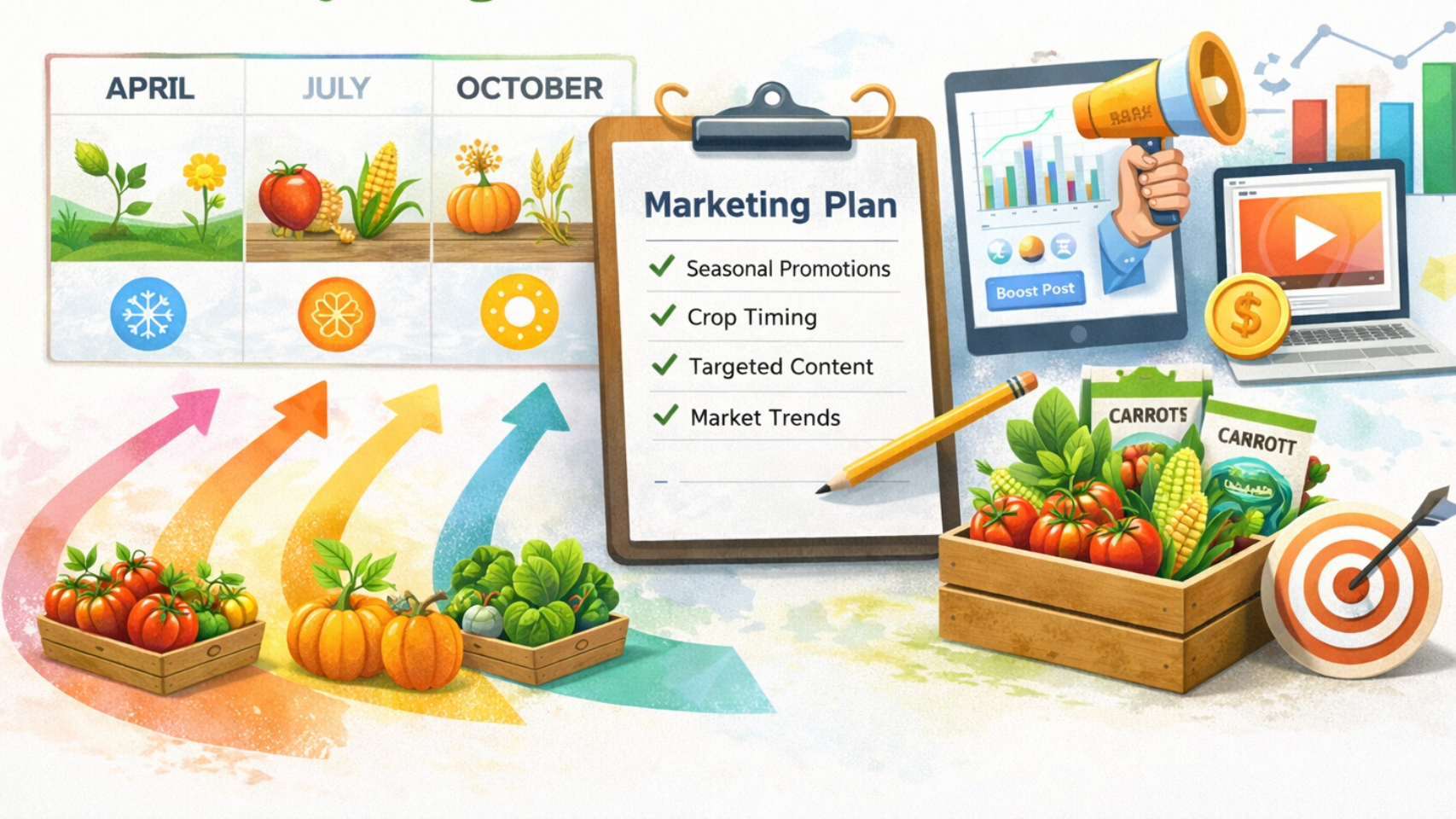
Agriculture doesn’t run on a traditional marketing calendar.
It runs on planting windows. Rainfall. Harvest. Input decisions. Commodity prices. Cash flow timing.
Yet most agricultural businesses market the same way year-round — same messaging, same offers, same website positioning.
That’s a mistake.
If you want your marketing to generate real results in the ag industry, it has to align with how growers think, plan, and purchase throughout the year.
Because in agriculture, timing isn’t just important — it’s everything.
The Agricultural Buying Cycle Is Predictable
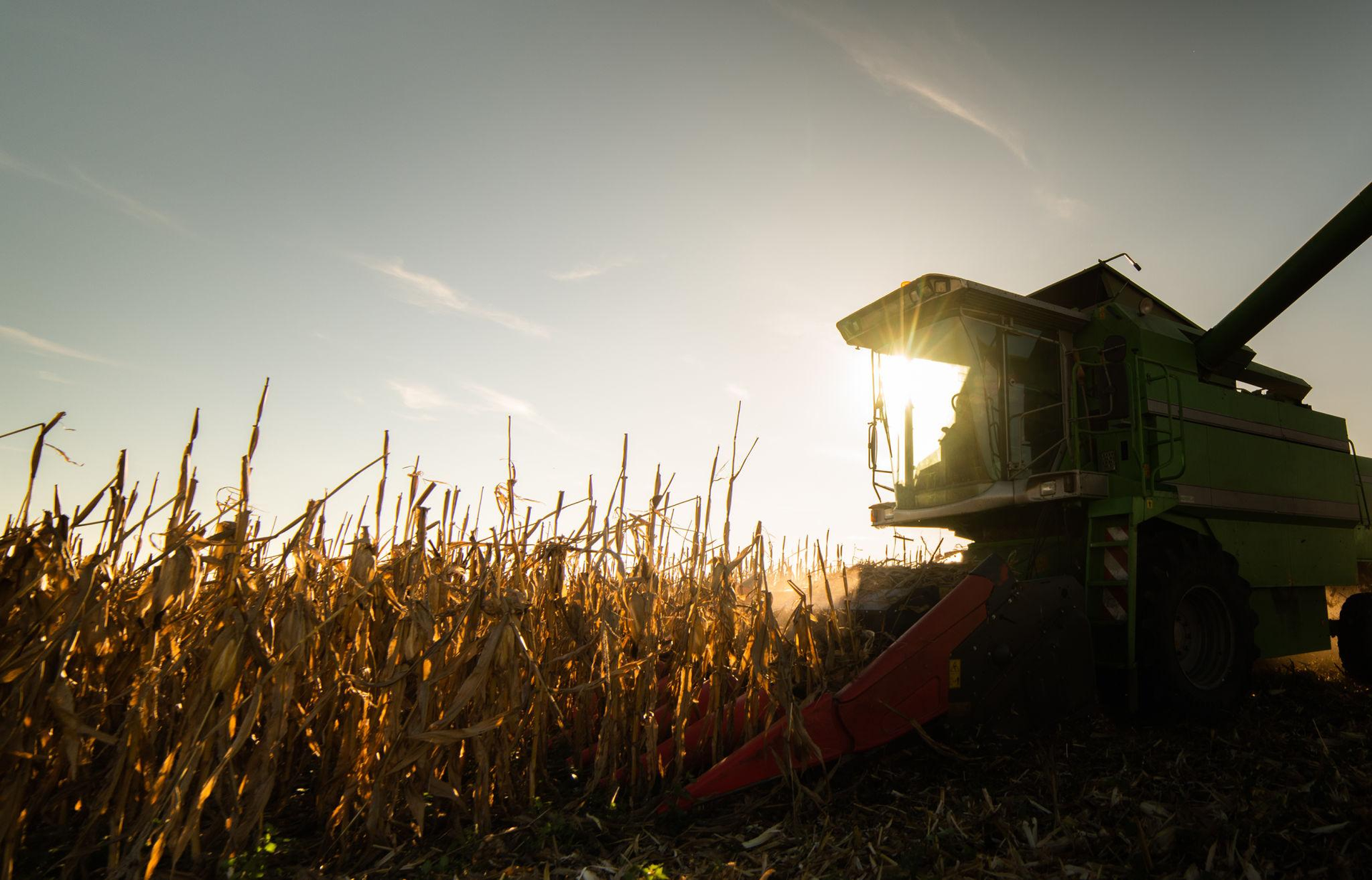
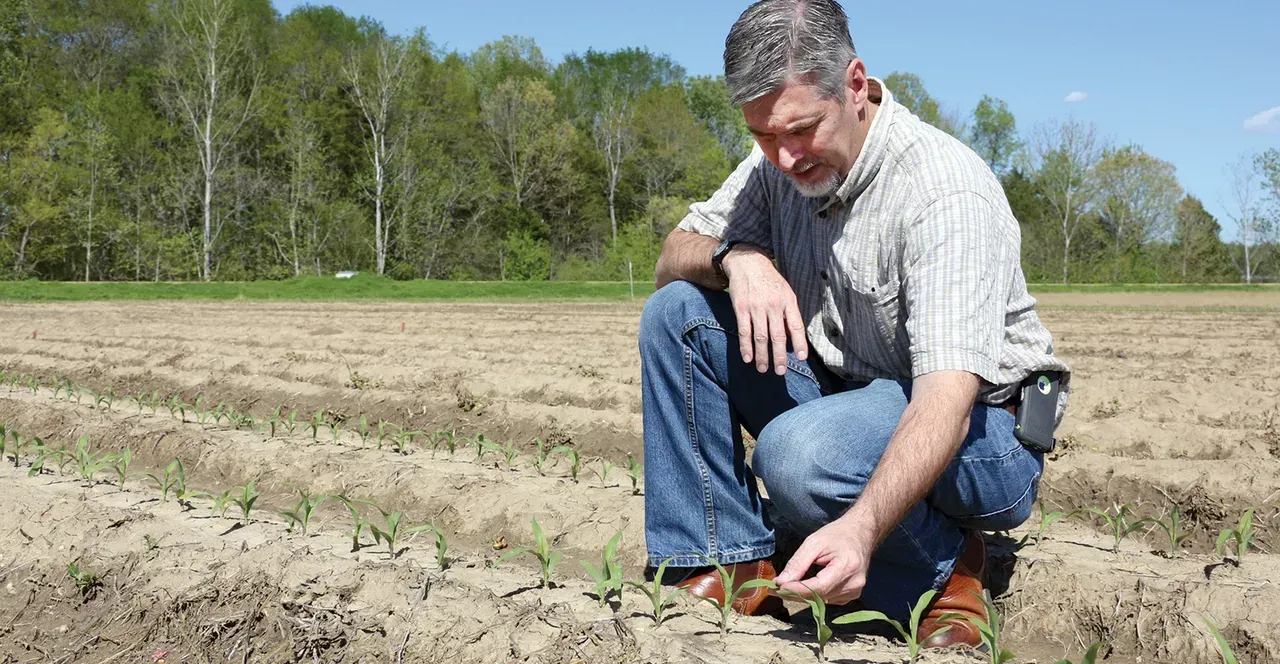
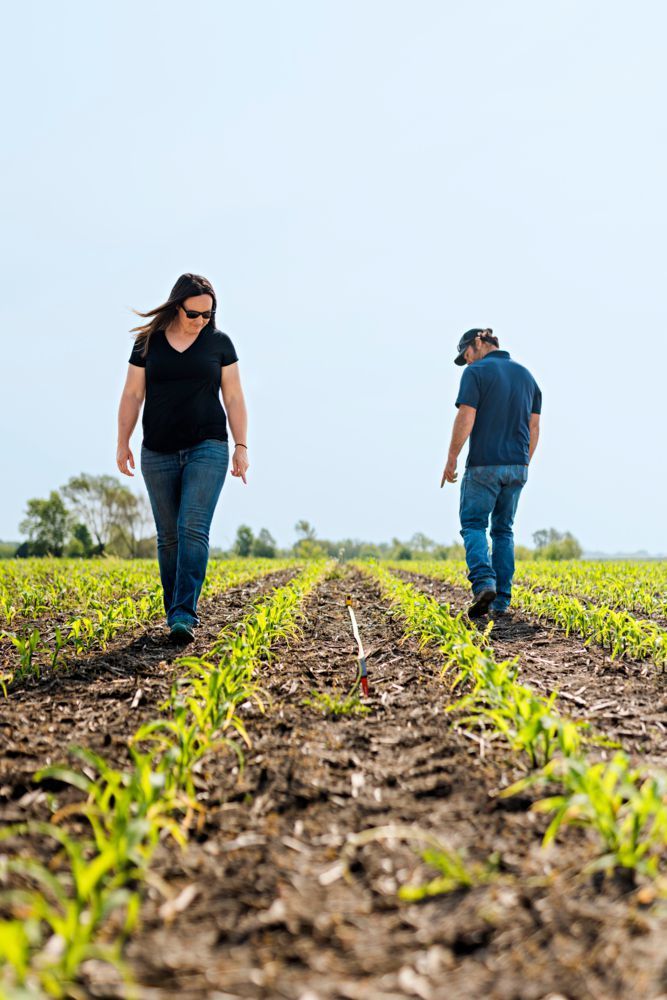
Unlike many industries, agriculture follows a predictable seasonal rhythm:
🌱 Winter: Research & Planning
- Reviewing last year’s yield data
- Comparing hybrids and inputs
- Budget planning
- Attending farm shows
This is when growers search heavily online.
They are reading. Comparing. Evaluating.
If your website isn’t visible during this research window, you miss the highest-intent traffic of the year.
🌿 Spring: Decision & Implementation
- Seed purchases
- Chemical programs
- Equipment adjustments
- Final agronomic decisions
Marketing here should reinforce confidence, availability, and local support — not broad awareness messaging.
☀️ Summer: Monitoring & Mid-Season Adjustments
- Crop scouting
- Disease pressure concerns
- Performance comparisons
- Stress response
This is the time for educational content.
Blog posts, agronomic updates, regional alerts — this positions your brand as proactive and informed.
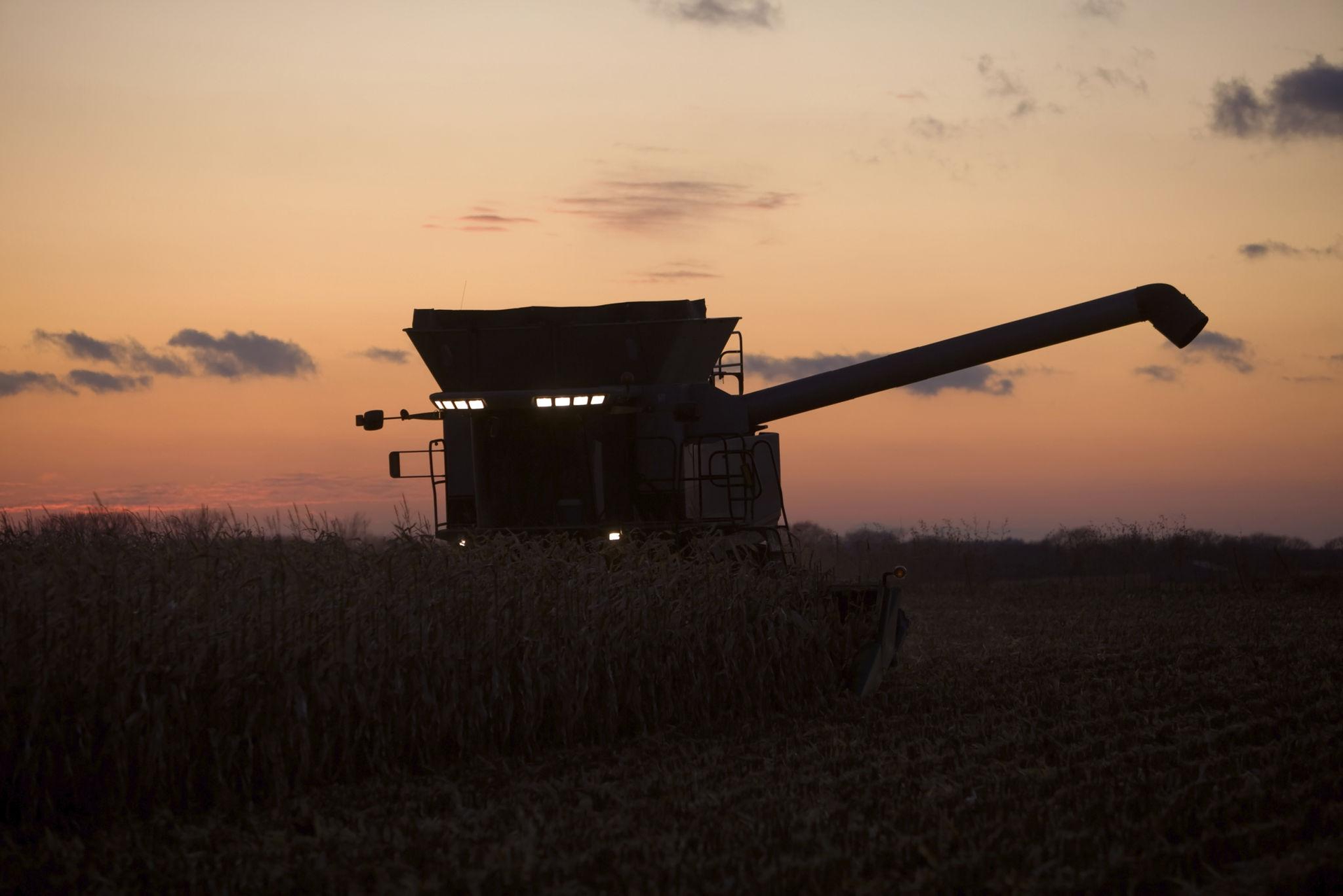
🌾 Fall: Harvest & Evaluation
- Yield comparisons
- ROI analysis
- Performance discussions
- Planning conversations for next year
This is prime testimonial and data season.
If you’re not publishing results and proof during harvest, you’re leaving authority on the table.
Most Ag Companies Market Reactively
Here’s what typically happens:
- Marketing pushes content when the sales team asks for it
- Social posts are random
- Website updates are inconsistent
- Email campaigns aren’t timed to grower decision windows
The result? Marketing feels disconnected from the field.
But growers notice.
And so does Google.
What a Strategic Seasonal Plan Looks Like
A real seasonal marketing strategy aligns content, SEO, paid ads, and email campaigns with grower behavior.
1. Pre-Season SEO Push (November–February)
This is when search traffic spikes.
Content should focus on:
- Hybrid comparisons
- Trial data
- Regional performance
- Problem-solving content
This is when your long-form blog strategy does the heavy lifting.
2. In-Season Authority Content (May–August)
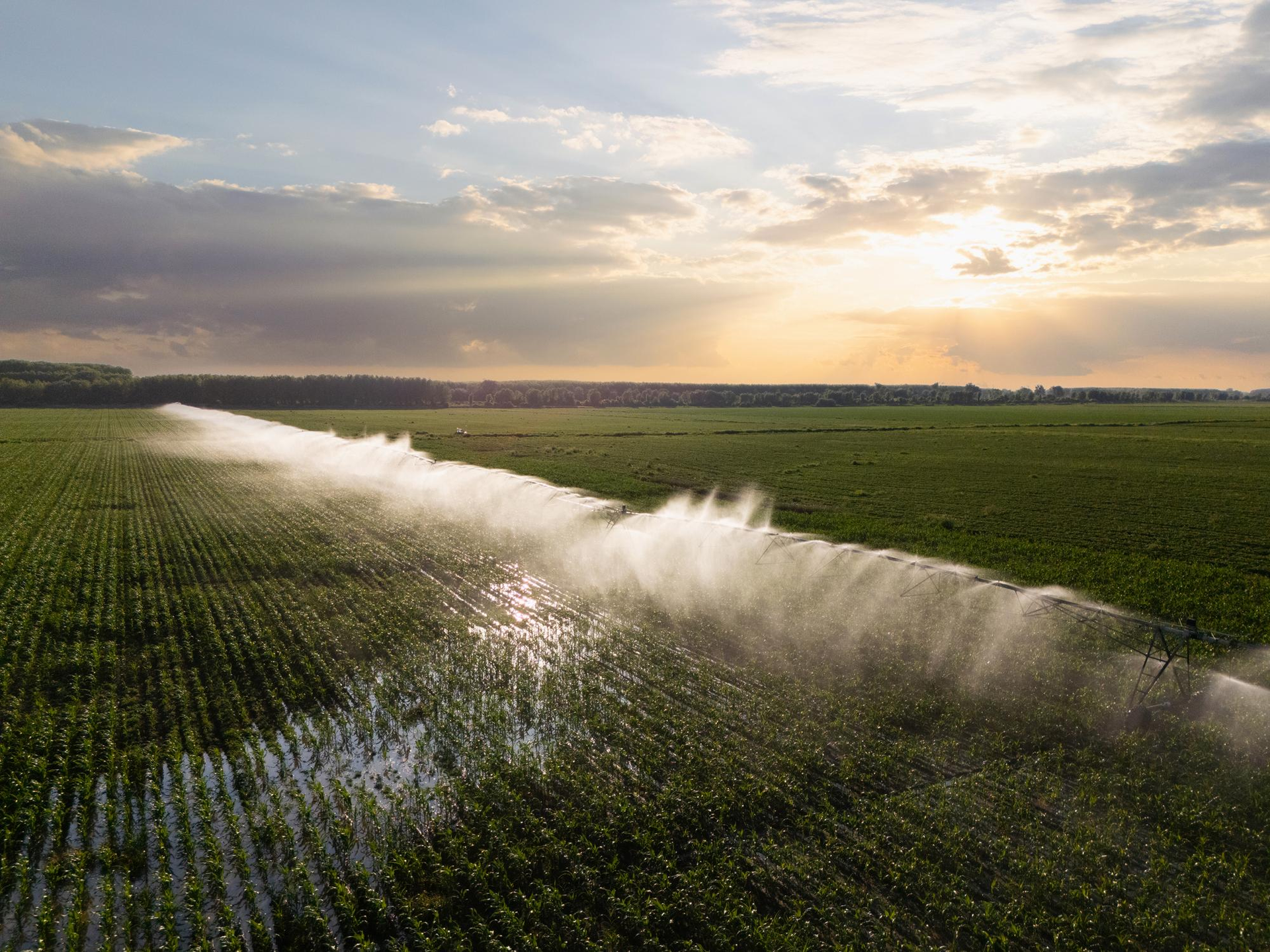

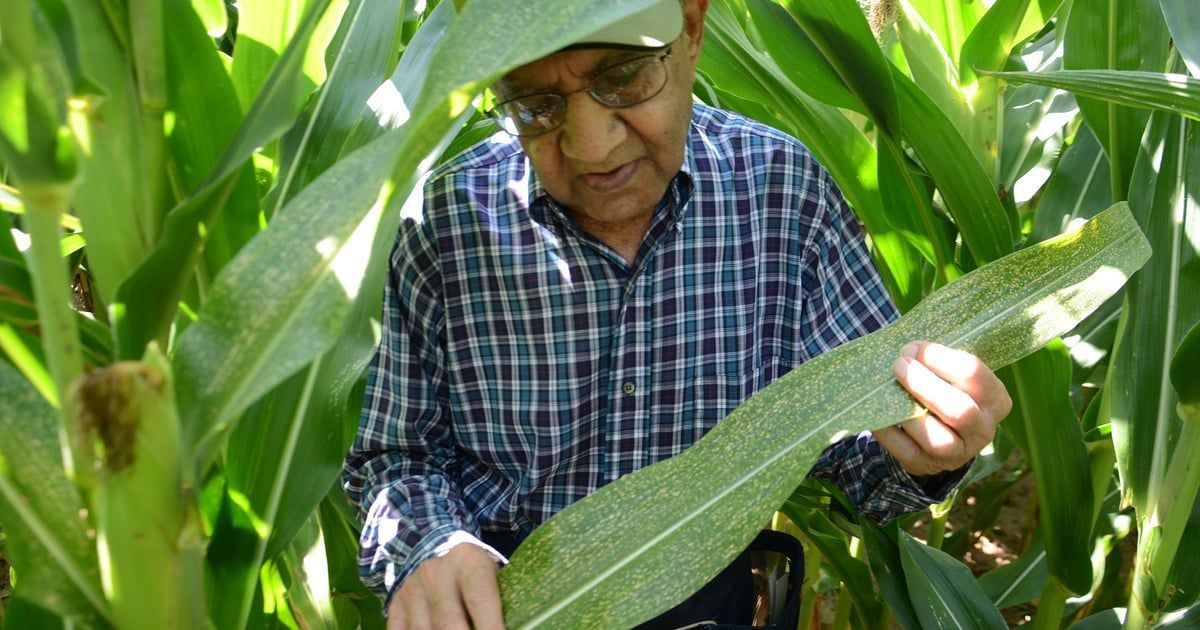
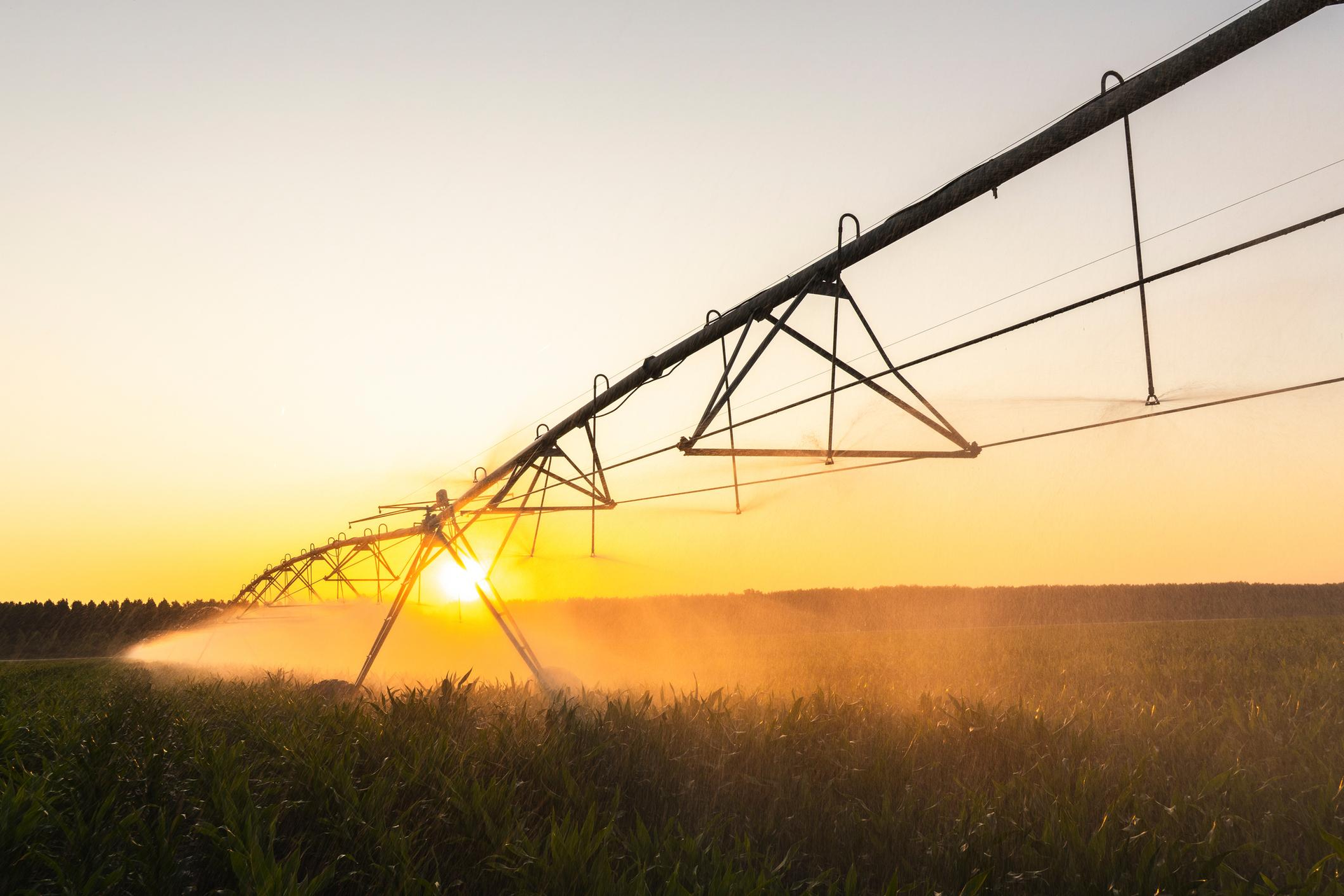
Position your brand as a resource.
Examples:
- “Managing drought stress in 110-day corn”
- “White mold prevention strategies”
- “Mid-season nitrogen considerations”
-
This builds trust — and keeps your brand top of mind before next buying season.
3. Harvest Proof & Data Season (September–November)
Show:
- Yield maps
- Side-by-side comparisons
- Local grower testimonials
- ROI breakdowns
This content feeds both SEO and sales enablement.
When a grower searches your hybrid during winter planning, they should find proof from harvest
Why This Matters for SEO
Google rewards consistency and relevance.
If your website only updates once a year, you lose authority.
But when your content rhythm matches the agricultural calendar:
- Search engines see topical depth
- Growers see expertise
- Dealers see support
- Sales teams get warmer leads
That’s strategic marketing.
Agriculture Isn’t Slow — It’s Cyclical
Many ag companies think digital marketing doesn’t work because traffic fluctuates.
But fluctuation is normal in seasonal industries.
The key is not constant volume.
The key is being visible when decisions are being made.
If your agricultural business wants stronger brand authority, better dealer alignment, and more qualified leads, your marketing strategy has to match the crop cycle.
Because in agriculture, growth is seasonal.
Your marketing should be too.